Tips for Driving in Heavy Snow Along the Wasatch Front
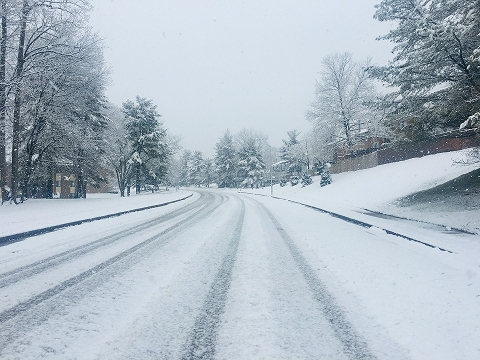
Utah winters are gorgeous right up until they're not. One morning you're driving under clear skies near Bountiful, and by afternoon you're inching along I-15 in a full whiteout. If you've spent even one winter along the Wasatch Front, you know that's not an exaggeration. These tips will help you stay safe from November through March, and we'd also recommend getting a pre-winter check scheduled before the first real storm hits.
If you need a break from snow talk, check out these winter activities in Bountiful for when the roads are calm.
Why Wasatch Front Winters Catch Drivers Off Guard
Geography is a big part of the problem here. The Wasatch Mountains funnel moisture in ways that are tough to predict, so snowfall totals can swing wildly within just a few miles. A commuter leaving Bountiful in light flurries might hit heavy accumulation by the time they reach the Point of the Mountain. Steep canyon grades and shadowed road sections that stay icy long after the sun's out make things even trickier.
Drivers newer to Utah get caught off guard by how fast conditions change. A storm that looks manageable at the start of your commute can turn hazardous within minutes. Elevation changes, sudden temperature drops, and thick canyon fog combine into scenarios that trip up even experienced drivers. Paying attention to what's happening around you is your best defense.
Preparing Your Mazda Before the Snow Flies
Prep your vehicle before the first storm hits, not during it. Scrambling to check your tires or dig out your ice scraper once the snow's already falling puts you behind from the start.
Testing Your Battery and Fluids
Cold weather is brutal on batteries. One that starts your car fine in September can leave you stranded in January, especially on sub-zero mornings that hit northern Utah without much warning. Get your battery tested before the season turns, and make sure the terminals are clean and secure.
Fluids need attention too. Your antifreeze mixture should be rated for the coldest temperatures your area actually sees. Windshield washer fluid gets overlooked constantly, but running dry mid-commute during a slushy storm creates a real visibility problem. Use a winter-rated formula (rated to about -40°) and keep an extra gallon in the car just in case.
Checking Tire Tread Depth and Pressure
Your tires are the only thing touching the road, so their condition matters more in winter than any other season. Keep at least 5/32 to 6/32 inches of tread depth for safe traction; performance drops off significantly below that. If you're due for a change, our snow tire benefits guide breaks down why dedicated winter rubber outperforms all-seasons once temperatures drop. Bountiful Mazda's Tires for Life program can also take the sting out of staying road-ready year after year.
Tire pressure drops roughly one PSI for every ten-degree drop in temperature, so tires properly inflated in October can end up noticeably low by December. Check pressure monthly through the season, going by the manufacturer's recommended PSI on the sticker inside the driver's door jamb, not the number molded into the sidewall.
Since tire choice makes such a difference in winter traction, here's how the main options stack up:
| Category | Winter Tires | All-Season Tires | AWD/FWD (any tire) |
|---|---|---|---|
| Traction on Ice/Snow | Best available; rubber compound stays flexible in cold | Adequate in light snow, struggles on ice | AWD improves grip on acceleration; FWD is more limited |
| Braking Performance | Noticeably shorter stopping distances on snow/ice | Degrades quickly once roads ice over | Neither AWD nor FWD shortens braking distance; tires do that work |
| Best Use Case | Dedicated winter driving, canyon routes | Mild winters, occasional light snow | Everyday commuting; AWD helps most on slick on-ramps |
| Maintenance Needs | Seasonal swap and off-season storage | Rotate regularly, one set year-round | Standard tire maintenance applies either way |
Packing a Winter Emergency Kit
Even a well-maintained car can get stuck. A basic kit barely takes up trunk space and buys real peace of mind. Pack these essentials:
-
Warm blanket, extra gloves, and a hat.
-
Flashlight with fresh batteries.
-
Water and non-perishable snacks.
-
Portable phone charger and small first aid kit.
-
Collapsible shovel.
For Wasatch Front driving specifically, add traction mats for canyon roads, a bag of sand or kitty litter, and an extra layer of clothing for the temperature swings that come with elevation changes. Getting stuck on Big Cottonwood Canyon at 6,000 feet feels a lot different than getting stuck on the valley floor.
Core Techniques for Driving in Heavy Snow
How you actually drive in the snow determines whether your prep pays off. Every technique below comes back to the same idea: slow, smooth, deliberate inputs. Abrupt steering, braking, or accelerating causes most winter accidents.
Smooth Steering and Gentle Acceleration
Traction on snow or ice is limited, and every input draws from it. Jerky steering and heavy acceleration burn through that traction fast, and you lose control before you know it. Steer with gradual, fluid motions, and build speed slowly, especially when pulling away from a stop. This matters most on residential streets and parking lots, where ice tends to sit thicker and untreated compared to main roads.
Gradual Braking and Following Distance on I-15
Stopping distances stretch out dramatically on snow and ice. NHTSA recommends significantly increasing your following distance on slick roads so you have plenty of time to stop, well beyond the two-second gap that works fine in dry conditions. On I-15, where traffic runs at highway speed and lane changes happen constantly, that extra buffer is often what separates a near-miss from a collision.
Brake gradually and early. If you find yourself braking hard, you've already waited too long. Ease off the accelerator well ahead of a stop and let the car slow naturally before touching the brakes.
Recovering from a Skid
Skids feel scary, but staying calm resolves them faster than you'd think. Per AAA guidance, avoid slamming on the brakes, steer in the direction you want the vehicle to go, and keep your eyes on that target path rather than the obstacle. No panic braking. Running through this response mentally now means it comes as instinct when you actually need it.
Navigating Canyon Roads and Low-Visibility Whiteouts
Parleys Canyon (I-80), Big Cottonwood Canyon, Little Cottonwood Canyon, and Weber Canyon (I-84) each bring their own hazards in winter, and all sit within about an hour of Bountiful. UDOT enforces both a Traction Law and, at times, Chains Required restrictions on these routes during storms. Check the UDOT Traffic website before you head up canyon, since requirements can change quickly and apply even to AWD vehicles. Narrow lanes, steep grades, and thin guardrails leave almost no room for error, and conditions higher up the canyon are often far worse than what you saw at the base.
Whiteouts call for a different approach entirely. If visibility drops to near zero, pull off as far as you can, flip on your hazards, and wait it out. Creeping along slowly in a whiteout isn't necessarily safer, since other drivers may not see you until it's too late. Stick to low beams instead of high beams, which bounce off the snow and make things worse.
Why i-Activ AWD® Gives Utah Drivers an Edge
Mazda's i-Activ AWD® system continuously monitors vehicle data, including wiper speed, outside temperature, and steering angle, to anticipate traction needs and distribute power between the front and rear wheels before slip actually happens. For anyone navigating icy on-ramps or slushy canyon roads along the Wasatch Front, that head start means more confident handling.
Worth being clear-eyed here: i-Activ AWD® improves traction, but per NHTSA, no AWD system shortens braking distance or replaces the need for reduced speeds and safe following distances. Tires and driver behavior still do most of the work. Curious how it feels on real Wasatch Front roads? You're welcome to schedule an AWD test drive with us.
Winter-Ready Mazda SUVs Built for the Wasatch Front
The 2026 Mazda CX-5 comes standard with i-Activ AWD® and a 2.5-liter engine producing 187 horsepower, a well-rounded setup for daily Wasatch Front driving. The 2026 Mazda CX-50 also comes standard with i-Activ AWD®, with available turbocharged power up to 256 horsepower for drivers who want more capability for canyon routes and outdoor pursuits. Both, along with the CX-90, sit up higher than most sedans, which helps when navigating unplowed side streets or deeper drifts.
Heated front seats and a heated steering wheel come standard on many trims, a detail that matters a lot more than it sounds on a cold January morning. Safety features like blind-spot monitoring and rear cross-traffic alert earn their keep when visibility drops thanks to snow or fog. Browse our new inventory to see which AWD Mazda fits your winter routine.
Year-Round Habits That Keep You Safer in Snow
Winter driving safety isn't something you think about only in December. Staying on top of tire rotations keeps wear even, which matters for traction no matter the season. Keeping your gas tank at least half full in winter helps prevent fuel line issues in extreme cold and adds a bit of weight over the rear axle, which slightly helps traction too.
Staying on top of weather and road conditions is worth making a habit as well. UDOT's road conditions website and the Utah Highway Patrol's social channels post real-time updates during storms, giving you the option to shift your departure time or take a different route before you're already committed to it.
Schedule Your Winter Maintenance Check at Bountiful Mazda
A professional winter prep inspection takes the guesswork out of vehicle readiness. Our service team will test your battery, check fluid levels, inspect tire tread and pressure, and review your brakes before winter gets serious, and our Oil for Life and Tires for Life programs, along with a courtesy shuttle while you wait, make it easy to stay on top of it all.
Focus on three things before the first real storm: battery health, tire tread and pressure, and fresh winter-rated fluids. Handle those and you've covered most of what causes winter breakdowns along the Wasatch Front.
Call our service team at 888-487-6752 or visit our contact page to book your appointment. Setting aside an hour now might be the smartest thing you do to prepare for driving in heavy snow this year.
Image by Amit Godase | Licensed with Unsplash License