Snow Tire Guide for Utah Drivers
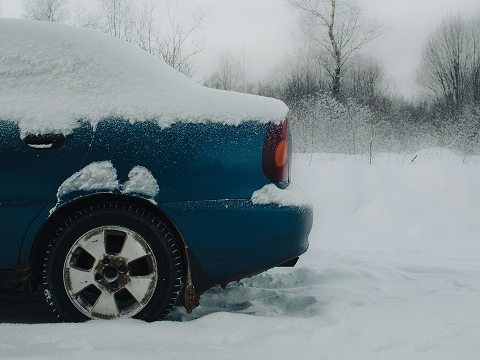
Standing in your driveway on a December morning, watching snowflakes pile up while you debate whether your current tires can handle another Wasatch winter, you're not alone. Thousands of Utah drivers ask themselves "Do I Really Need Snow Tires?" each year as temperatures plummet and canyon roads turn into ice rinks.
At Bountiful Mazda, we help local drivers make informed decisions about winter tire options based on their specific driving patterns and Utah's unique conditions. Schedule your tire installation before the first snowfall, or visit our service center to discuss which solution fits your needs.
Why Utah's Winter Conditions Demand the Right Tires
Utah's winter isn't just cold. It's completely unpredictable. Your morning commute from Bountiful to Salt Lake City can start on dry pavement and end on black ice within fifteen minutes. We get substantial snowfall across valleys and mountains, plus temperature swings that create afternoon slush and frozen ruts by evening. This pushes your tires way beyond their comfort zone.
Your tires are the only connection between your vehicle and the road. When temperatures drop below 45°F, that connection changes dramatically based on what rubber meets the pavement. Snow tires deliver 25-50% better traction than all-season tires in heavy snow, completely transforming how your vehicle responds when you brake hard on snowy 500 South or navigate curves heading up to Brighton.
How Snow Tires Work Differently Than All-Season and All-Weather Tires
The distinction between tire types goes beyond marketing labels. Snow tires use fundamentally different engineering than the all-season tires that came with your vehicle. All-season tires compromise to perform adequately year-round, while winter tires optimize specifically for cold, snowy, and icy conditions. All-weather tires offer better cold-weather performance than all-seasons with 3PMSF ratings, but they still can't match dedicated snow tires when roads turn hazardous.
|
Feature |
Snow Tires |
All-Season Tires |
All-Weather Tires |
|
Rubber Compound |
Soft, flexible below 45°F with silica/oil |
Stiffens below 44°F |
Flexible below 45°F, 3PMSF rated |
|
Tread Depth |
Deeper to reduce snow buildup |
Moderate for dry/wet |
More than all-season, less than snow |
|
Siping & Patterns |
Hundreds more sipes, aggressive grooves/edges for snow/ice |
Fewer sipes, uniform for year-round |
Center sipes, wider grooves than all-season |
|
Traction Gain |
25-50% better in heavy snow |
Compromised in heavy winter |
Better than all-season in light snow, not severe |
Rubber Compound Technology in Cold Temperatures
Snow tire compounds rely on high silica and oil-enhanced rubber formulations that stay pliable even in single-digit temperatures. This flexibility allows the tire to conform to road surface irregularities, maintaining contact that translates directly into traction. All-season tire rubber stiffens below 44°F, losing flexibility and grip when you need it most. When you're descending Parley's Canyon on a February evening, that chemical difference becomes the margin between controlled braking and extended stopping distances.
Tread Design for Superior Snow and Ice Traction
Snow tires feature deeper grooves and thousands of tiny cuts called sipes that create additional biting edges. These sipes function like miniature grippers, digging into snow and ice to provide traction when you accelerate, turn, or brake. The aggressive tread patterns channel slush and water away from the contact patch, preventing hydroplaning and maintaining road contact even through the slushy mess that forms on I-15 during afternoon commutes.
The deeper grooves pack snow into the tread, which actually improves traction since snow grips snow better than rubber grips ice. With proper rotation every 5,000-7,500 miles, quality snow tires deliver 40,000-60,000 miles of tread life across multiple seasons.
The AWD Myth: Why Four-Wheel Drive Alone Isn't Enough
Mazda CX-5 and CX-50 owners often assume their all-wheel drive system eliminates the need for winter tires. That assumption feels logical until you understand what AWD actually does. For a deeper look at understanding the differences, all-wheel drive helps you accelerate and maintain momentum in snow by distributing power to all four wheels. This capability proves valuable when pulling away from stoplights or climbing snowy inclines.
Here's what AWD doesn't do: provide zero advantage when you need to stop or turn. Your braking and cornering abilities depend entirely on tire grip, not drivetrain configuration. A 2WD vehicle equipped with proper snow tires will out-brake and out-corner an AWD vehicle on all-season tires every time. The physics are clear: tires determine how quickly you stop and how well you navigate curves, regardless of whether power goes to two wheels or four.
This reality catches many drivers off guard during their first winter with an AWD vehicle. The confident acceleration creates a false sense of security that evaporates the moment they need to brake hard or execute an evasive maneuver. At Bountiful Mazda, we regularly discuss this misconception with customers who assume AWD provides complete winter protection. The truth? AWD and snow tires work together, each addressing different aspects of winter driving safety.
When Chains or Snow Socks Are a Better Alternative
Not every driver needs a full set of snow tires. If you rarely encounter severe winter conditions or only drive in snow a few times each season, alternatives like tire chains or snow socks might serve you better. These options cost significantly less than winter tires and provide strong traction when you genuinely need it without requiring seasonal swaps.
Tire chains deliver exceptional grip on packed snow and ice, making them ideal for mountain travel during storms. Most canyon roads in Utah require chains or snow tires during winter storm warnings, and chains satisfy those requirements effectively. Snow socks offer a lighter, more portable solution for moderate snow conditions. They pack small enough to keep in your trunk for emergencies.
The decision between these alternatives and full winter tire sets comes down to frequency. Drive in snow weekly throughout winter? Snow tires make practical sense. Your snow exposure happens only during occasional mountain trips or rare valley snowstorms? Chains or socks provide adequate protection without the storage hassles and seasonal swap requirements.
Cost, Convenience, and Long-Term Value
A quality set of four snow tires typically ranges from $400 to $800, depending on your vehicle size and tire brand. This investment feels substantial, but the financial picture improves when you consider the complete picture. Using winter tires during cold months means your all-season tires rest in storage, not accumulating wear. This rotation effectively doubles the lifespan of both tire sets since each only experiences half-year usage.
The safety improvements and reduced accident risk provide value that's difficult to quantify but genuinely significant. Many drivers appreciate reduced stress during winter months. Knowing your vehicle has proper traction eliminates constant anxiety about whether you'll make it safely to work or back home. Combined with regular maintenance like our Oil for Life program, these vehicle maintenance benefits extend beyond winter preparation into year-round reliability.
Buying a Second Set of Wheels and Seasonal Swap Timing
Purchasing dedicated wheels for your snow tires streamlines the seasonal transition and saves money long-term. Mounting and dismounting tires from wheels twice annually stresses the tire beads and costs money for each swap. Having winter tires already mounted on their own wheels means you simply swap the complete wheel assemblies.
Timing matters more than most people realize. Install snow tires when daytime temperatures consistently drop below 45°F, typically late November in northern Utah. Waiting until after the first snowfall risks that initial commute on inadequate tires. Remove snow tires once daytime temperatures consistently stay above 45°F in spring, usually March or April around Bountiful. Running winter tires in warm weather accelerates wear and reduces their effectiveness when you need them next season.
Storage Solutions and Expected Tread Life
Store tires properly during their off-season to preserve rubber compounds and extend useful life. Keep tires in a cool, dry location away from direct sunlight, ideally standing upright if mounted on wheels or stacked if dismounted. Covering them with tire bags prevents UV exposure that degrades rubber over time.
Snow tires typically deliver four to six winter seasons of service, depending on your mileage and driving conditions. The 3PMSF symbol on the sidewall indicates the tire meets specific winter performance standards, and tread depth should stay above 6/32 inch for optimal snow traction. Once depth drops below that threshold, effectiveness decreases noticeably.
Which Option Fits Your Driving Needs
Determining whether you need snow tires requires an honest assessment of your typical winter driving patterns. Your daily routes, frequency of winter travel, and risk tolerance all factor into the decision. The right choice varies significantly between a retiree who avoids bad weather and a ski instructor commuting to Brighton five days weekly.
For Daily Commuters in the Bountiful Area
Regular commuters traveling the I-15 corridor between Bountiful and Salt Lake City face varied winter conditions that demand reliable traction. Morning black ice on overpasses, afternoon slush on main roads, and evening refreezing create constantly changing hazards. If your commute includes highway merging, hill climbing, or canyon segments, snow tires provide crucial safety margins during Utah's four to five-month winter season.
The hilly terrain around Davis County particularly benefits from winter tire traction. Streets connecting to I-15 become treacherous when snow-packed, and proper tires transform these challenges into manageable drives. Daily winter commuters represent the ideal candidates for dedicated snow tires since frequency of exposure justifies both the cost and storage inconvenience. Snow tires are the minimum recommendation for consistent safety, with all-weather tires as an absolute baseline.
For Occasional Snow Drivers
Drivers who primarily stay in well-maintained valley areas during winter may find all-weather tires with 3PMSF ratings sufficient for their needs. These tires eliminate seasonal swaps while performing adequately in light to moderate snow. They handle occasional winter storms without requiring chains or emergency preparations.
If you venture into snow only for holiday travel or rare mountain visits, tire chains or snow socks offer practical alternatives. Keep them accessible in your vehicle throughout winter, and you're prepared for unexpected conditions without committing to full winter tire sets. This approach works well for drivers who can postpone trips during severe weather or who have flexibility in their winter travel schedules. Adding chains or snow socks for predicted storms provides additional security when conditions worsen.
For Frequent Mountain Travelers
Anyone regularly driving to Utah's mountain resorts absolutely needs proper winter tires. Canyon roads demand maximum traction during storms, and even during clear weather, shaded sections remain icy throughout winter. Routes from Legacy Highway to Ogden Canyon, Big Cottonwood Canyon, and Parley's Canyon see regular closures requiring traction devices during storms.
Snow tires satisfy these requirements and provide superior performance compared to chains, particularly during descent when braking control matters most. The enhanced control and shorter stopping distances on steep, icy roads provide protection that extends beyond regulatory requirements into genuine accident prevention. Pair snow tires with AWD for optimal control on these challenging routes.
Make the Right Choice for Safer Winter Driving
Utah winters present real challenges that demand thoughtful tire decisions rather than assumptions. Do I really need snow tires? The answer depends on balancing cost against safety needs and convenience. An honest evaluation of your winter driving frequency, typical routes through Davis, Salt Lake, and Weber counties, and safety priorities guides you toward the right choice for your situation.
Get Expert Guidance From Bountiful Mazda
Whether you choose dedicated winter tires, all-weather compromises, or supplemental chains depends on your specific circumstances and risk tolerance. Tire quality profoundly affects your winter driving safety, regardless of your vehicle's other features.
Our team at Bountiful Mazda welcomes conversations about winter tire recommendations tailored to your needs. We understand local driving conditions and can help you select solutions that match both your vehicle and your typical winter patterns. Contact our team for personalized advice, or schedule a service appointment to discuss tire options and installation before winter weather arrives.
Image by Annie Smurova | Licensed with Unsplash License