Mazda's Most Notable Concept Cars
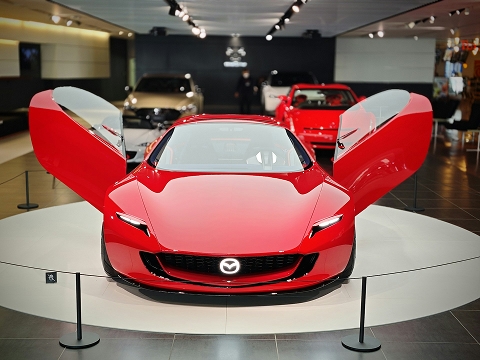
Concept cars show us what automakers really want to build when budgets and regulations aren't holding them back. Mazda's concept vehicles have consistently pushed boundaries, experimenting with rotary engines, radical design approaches, and their signature lightweight philosophy. These rolling experiments reveal the brand's engineering soul and design ambitions.
From the mid-engine RX-500 to the hybrid-electric Iconic SP, each prototype tells part of Mazda's story. You can see this innovative DNA firsthand when you explore our new Mazda inventory at Bountiful Mazda.
Why Mazda Concept Cars Matter: Previewing Tomorrow's Innovation
Think of Mazda concept vehicles as laboratories on wheels. Engineers and designers get to test wild ideas without worrying about production costs or safety regulations. These prototypes help gauge how people react to new directions, validate design choices, and prove the brand's dedication to creative thinking.
Many of the boldest ideas you see on a concept rarely make it to the showroom floor unchanged. But that's part of the point. When you see a Mazda concept, you're getting a peek at tomorrow's possibilities.
The Rotary Revolution: Concepts That Defined Mazda's Performance Soul
Mazda's love affair with rotary engines sets it apart from every other manufacturer. While others gave up on the Wankel engine, Mazda kept refining it, celebrating it, building their performance identity around it. The rotary's compact size and light weight opened up unique packaging possibilities and delivered that responsive feel Mazda drivers love. The brand's rotary concepts showcase this engineering obsession and explore how this unusual technology keeps evolving.
1970 RX-500: The Mid-Engine Rotary Dream
The RX-500 appeared just as Mazda was building its rotary reputation. This wild concept featured a mid-engine layout with a 982cc double-rotor 10A Wankel putting out 247 hp. Weighing only 1,873 lb, it had butterfly doors and aerodynamic bodywork that looked like it came from the future. The mid-engine setup balanced weight perfectly, while that compact rotary let designers create an incredibly low hood line.
This concept laid groundwork that would influence Mazda's rotary cars for decades. It proved the Wankel engine wasn't just different for the sake of being different. It actually enabled vehicle architectures that conventional engines couldn't match.
2008 Furai: Racing Spirit in Physical Form
The Furai merged pure motorsport engineering with jaw-dropping design, built on a Courage C65 Le Mans chassis. "Furai" means "sound of wind" in Japanese, and every surface looked like it was carved by airflow. Under that carbon fiber body, a 20B three-rotor Wankel cranked out 450 bhp while running on E100 ethanol.
This wasn't just about power. The Furai showed how Mazda could adapt rotary technology for alternative fuels without losing that performance edge. The aggressive styling and race-ready engineering reinforced Mazda's connection between what happens on track and what drives on the street.
2015 RX-Vision and 2023 Iconic SP: Reviving the Rotary Legacy
The RX-Vision concept got rotary fans' hearts racing again. This sleek 2015 coupe featured those classic long hood proportions and a fastback roofline that channeled decades of rotary design DNA. Every line suggested motion and power.
The Iconic SP prototype continued this story eight years later. This newer concept packs a two-rotor rotary system producing 370 PS, but here's the twist: it works as an electric vehicle where the rotary engine charges batteries while running on carbon-neutral fuel. It's Mazda's vision for keeping their signature technology relevant in an efficiency-focused future. Both concepts celebrate rotary heritage while acknowledging that tomorrow's performance cars need to balance power with environmental responsibility.
Design Philosophy Evolution: From Nagare Flow to Kodo Soul of Motion
Mazda's design language has gone through dramatic changes over the past few decades. The shift from Nagare to Kodo represents more than just style evolution. It shows Mazda's deeper understanding of how design creates emotional connections with drivers.
The Nagare Era (2006-2010): Movement Captured in Metal
Nagare design philosophy, introduced at the 2006 Los Angeles Auto Show, centered on flowing, organic forms inspired by natural movement. Mazda designers literally captured wind patterns, water flow, and other natural phenomena in metal and glass. The results were concept vehicles with sculptural surfaces and dramatic curves that emphasized aerodynamic efficiency alongside visual beauty.
These flowing designs created surfaces that caught light in complex, beautiful ways. While perhaps too bold for immediate production, Nagare concepts influenced future Mazda styling and proved the brand would rather pursue distinctive design than follow industry trends. The philosophy found its clearest production expression in the Premacy minivan.
Kodo Design Concepts: Shinari, Vision Coupe, and Modern Mazda
Kodo design philosophy ("Soul of Motion") marked a shift toward more dynamic, aggressive styling. The 2010 Shinari concept introduced this language, expressing what Mazda called "powerful movement of a lean body with highly developed muscles." Bold lines, muscular proportions, and surfaces that suggested coiled energy ready to be unleashed.
The 2017 Vision Coupe refined Kodo principles, showing how elegance and aggression could work together through what Mazda termed "Mazda Elegance." This less-is-more approach used long hood proportions, a swept-back cabin, and carefully sculpted surfaces that let light play with body forms to create drama.
This design direction influenced production vehicles across Mazda's entire lineup, from the Mazda3 to the CX-5 and CX-9. The philosophy goes beyond exterior styling too, informing interiors that put driver engagement first. Want to experience Kodo design yourself? Schedule a test drive at our Mazda dealership in Bountiful to feel how this philosophy translates into actual driving dynamics.
Sports Car Dreams: MX Concepts and the Roadster Philosophy
Mazda's passion for lightweight sports cars runs incredibly deep. The MX concepts explored this philosophy from every possible angle, prioritizing agility over straight-line speed, driver connection over luxury features, and simplicity over complexity. This focus on lightweight construction and balanced handling separates Mazda from manufacturers obsessed with horsepower numbers alone.
The Path to the Miata: MX-03 and MX-04
Before the Miata became a legend, Mazda explored the roadster concept through MX-03 and MX-04 prototypes. The 1985 MX-03 featured a triple-rotor engine producing 315 hp and used an aircraft-style steering wheel instead of a traditional steering wheel. The 1987 MX-04, shown at the Tokyo Motor Show, offered front-engine RWD layout with removable fiberglass panels that could transform it from coupe to beach buggy.
These prototypes validated design choices that would define the Miata: short overhangs, compact dimensions, and relentless focus on driver engagement. The concepts proved sports cars didn't need complex technology or excessive power to deliver thrilling experiences. This understanding shaped the original Miata's development and continues influencing the model today.
Lightweight Performance: Superlight and Speedster Evolution
Mazda's 2009 MX-5 Superlight pushed weight reduction to extremes, representing their first speedster-style prototype. The 2016 Speedster Evolution refined this approach with a barchetta-style silhouette inspired by the MX-5 Global Cup race car, creating a track-focused vehicle approximately 350 lbs lighter than the stock Miata.
These concepts demonstrated innovative engineering solutions for cutting weight without compromising structural integrity or safety. The emphasis on weight reduction reflects Mazda's broader philosophy about efficient performance. Lighter vehicles need less power to deliver excitement, improving both fuel efficiency and driving dynamics. You can see these lessons in current Mazda vehicles, where lightweight construction remains a priority, especially valuable in mountain driving conditions around Bountiful where agile handling and responsive performance really matter.
Future-Forward Concepts: Crossovers, Electrification, and What's Next
As the automotive world shifts toward electrification, Mazda concept vehicles explore maintaining driving enjoyment while embracing new powertrains. Future Mazda vehicles will likely blend electric motors with internal combustion engines, including rotary range extenders.
Concept SUV designs reveal how the brand plans to bring its design philosophy and performance focus to electrified crossovers. These address changing consumer preferences and environmental concerns while keeping Mazda's distinctive identity intact. The Iconic SP's rotary-electric system shows one promising direction, combining instant electric torque with Mazda's signature engine technology.
Signature Mazda Design DNA: Themes That Connect Every Concept
Despite wildly different styles and purposes, Mazda concepts share common DNA. Emotional appeal consistently appears, with designs that stir feelings rather than just showcasing technical specs. Dynamic forms create visual movement that suggests energy and vitality. Performance focus shows through lightweight construction, aerodynamic optimization, and driver-centric layouts following the "Jinba-ittai" philosophy of horse and rider unity.
This consistent design language creates instant brand recognition. You can identify a Mazda concept even when it explores radically different forms or functions. These connecting threads create cohesion across decades of concept vehicles. Specific designs evolve, but underlying principles stay stable: driving connection, design excellence, and engineering innovation.
Key Takeaways: What Notable Mazda Concept Cars Reveal About the Brand
Mazda's notable concept cars show a manufacturer committed to its own unique path. The persistent focus on rotary engines demonstrates dedication to distinctive engineering solutions, from the 247 hp RX-500 through the 450 bhp Furai to today's Iconic SP rotary-electric system.
Design evolution from Nagare to Kodo illustrates a brand finding its authentic voice and refining its visual language into a cohesive identity you can spot across the entire lineup. The roadster philosophy reveals Mazda's belief that driving joy matters more than raw specifications.
Lightweight construction, whether through aluminum, carbon fiber, or thoughtful engineering, remains central to every concept. Electrification concepts show awareness of industry trends while maintaining brand identity, balancing heritage with innovation.
These concepts reveal a brand willing to take creative risks and pursue unconventional solutions. Mazda doesn't chase trends or copy competitors. It explores ideas that align with its values, trusting that distinctive products will find appreciative audiences.
Experience the Concept Car Legacy at Bountiful Mazda
The innovations and design philosophy explored in Mazda's concept vehicles live on in today's production models. At Bountiful Mazda, we help you experience how these concepts influenced real-world vehicles. Our family-owned dealership in Bountiful, Utah, maintains a large inventory of new Mazda models that carry forward the brand's commitment to driving enjoyment and thoughtful design.
Whether you're drawn to the Miata's roadster purity or appreciate how Kodo design shapes modern crossovers like the CX-5 and CX-50, our team can help you find the right Mazda vehicle. We've earned President's Club and Gold Cup Awards repeatedly for outstanding service.
Check out our current Mazda specials to find exceptional value on vehicles embodying this innovative heritage. Ready to get started? Contact our team or call us at 801-878-6518. Visit our showroom Monday through Saturday from 9 AM to 8 PM to discover how Mazda's concept car legacy translates into vehicles designed for everyday driving excellence.
Image by Michal Vrba | Licensed with Unsplash License