How Can I Tell If I Need My Brakes Serviced?
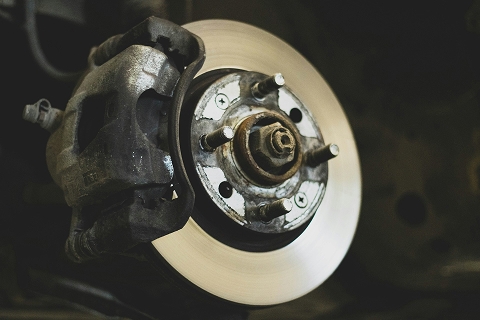
Your brakes are your vehicle's most critical safety system. How can I tell if I need my brakes serviced? That's a question we hear frequently from drivers in Bountiful, and it's one of the most important questions you can ask about your vehicle. Modern brake systems work incredibly well, but they depend on parts that naturally wear down with use. Your car tells you about brake problems through specific warning signs: sounds, sensations, smells, and visual clues that let you know when professional service is needed.
This self-check guide helps you spot these warning signs early. Mountain driving throughout Utah and harsh winter conditions speed up brake wear, making regular awareness especially crucial for local drivers. Whether you're navigating Legacy Highway commutes or coming back from weekend trips in the Wasatch Range, understanding these symptoms helps you keep safe, reliable braking performance. If you notice any of these signs, schedule your brake inspection with our certified technicians for professional diagnosis.
Warning Signs You Can Hear
Your ears give you the first heads-up about brake problems. Brake systems make specific sounds when parts start wearing out, warning you before small issues turn into safety hazards.
Squealing or Screeching During Braking
That high-pitched squeal when you press the brake pedal isn't random noise. It's actually a built-in warning system. Brake pads have small metal tabs called wear indicators that touch the rotor when pad material gets down to the minimum thickness. This creates that squealing sound you hear, telling you replacement is needed soon.
Squealing doesn't mean you're in immediate danger, but it's your signal to schedule service within the next few days. Your brake pads still have some material left at this point, but waiting too long leads to the next warning sign. Temperature and moisture can affect the sound, so occasional squealing on cold mornings might be normal. But if you consistently hear squealing during braking, your pads need attention.
Grinding or Metal-on-Metal Sounds
Grinding is a completely different story. When brake pads wear through completely, the metal backing plate makes direct contact with the rotor. This metal-on-metal contact creates a harsh grinding sound and causes rapid, expensive rotor damage every time you brake.
If you hear grinding, stop driving and get service immediately. This isn't a "schedule it soon" situation. Keep driving and you'll damage rotors beyond what can be fixed, requiring complete replacement. What could have been a routine brake pad replacement turns into a much more expensive repair. Paying attention to squealing early prevents grinding entirely.
Warning Signs You Can Feel
Your brake pedal and how your vehicle handles give you vital feedback about brake system health. These physical signs often point to issues beyond simple pad wear, involving hydraulic parts or rotor problems.
Soft, Spongy, or Low Brake Pedal
Your brake pedal should feel firm and responsive with steady resistance. A soft, spongy pedal that compresses more than usual or needs extra pressure to stop effectively signals trouble in the hydraulic system. This feeling often means air has gotten into the brake lines, which compresses under pressure unlike brake fluid. Other causes include failing calipers or wheel cylinders, weak flex lines, or low brake fluid levels.
A pedal that slowly sinks to the floor is even more serious, usually meaning brake fluid is leaking somewhere in the system. This needs immediate professional attention. Our certified technicians use pressure testing equipment to find hydraulic problems that drivers can't see.
Vibration or Steering Wheel Shake When Braking
Feeling vibration or pulsation through your brake pedal or steering wheel during braking points to warped or uneven brake rotors. Rotors can warp from too much heat or uneven wear patterns, creating high and low spots on the braking surface. When your brake pads clamp against these uneven surfaces, you feel rhythmic pulsation through the pedal and steering wheel.
This affects how smoothly and controllably you can brake, particularly during emergency stops. Vibration usually gets worse over time as the uneven wear progresses. Depending on rotor thickness and how badly they're damaged, technicians can resurface rotors to restore smooth surfaces or recommend replacement when resurfacing won't work.
Vehicle Pulling to One Side
Your vehicle should stay straight during braking without drifting left or right. Pulling to one side means uneven braking force, typically caused by worn rotors, uneven brake pad wear, or stuck caliper pistons that prevent equal pressure distribution. One wheel might brake more aggressively than the opposite side, creating the pull.
This compromises vehicle control, especially during sudden stops or emergency braking. Multiple things can cause pulling, so a professional diagnosis is essential to figure out which specific part needs attention. Don't try to compensate by steering against the pull. Fix the underlying brake system issue instead.
Warning Signs You Can See and Smell
Visual and smell indicators give you additional brake system feedback, often signaling conditions that need immediate attention.
Dashboard Brake and ABS Warning Lights
Modern vehicles have sophisticated monitoring systems that turn on specific dashboard warning lights when they detect brake system problems. The main brake warning light typically means hydraulic system failure, critically low brake fluid, or parking brake engagement. The ABS warning light signals antilock brake system malfunctions, which may not affect normal braking but disable anti-lock function during emergency stops.
Never ignore lit brake warning lights. While ABS lights might let you keep driving with normal brake function intact, main brake warning lights require immediate attention. Our diagnostic equipment reads system fault codes to identify specific failures without guessing.
Burning Smell After Braking
A sharp chemical or burning odor after braking means overheated brake components. Extended brake use, like going down mountain grades, can overheat brake pads and rotors, creating this distinctive smell. Glazed brake pads or shoes from excessive heat, stuck parking brakes, or seized calipers also create burning odors.
If you smell burning and see smoke from your wheels, pull over safely and stop driving immediately. Overheated brakes can lead to brake fade, or reduced braking effectiveness from excessive temperature. Once components cool, have your vehicle towed or drive very carefully at low speeds straight to our service center.
Longer Stopping Distances
You know how your vehicle typically stops from daily driving. If you notice your car needs more distance to stop than usual, worn brake pads, reduced friction, or brake fade might be reducing braking effectiveness. This symptom is particularly concerning because it directly affects your ability to avoid collisions.
Longer stopping distances sometimes develop gradually, making them easy to miss until they become significant. If passengers comment on your braking or you find yourself leaving more following distance than before, schedule a brake inspection right away.
What These Symptoms Often Indicate
Understanding what each symptom reveals about your brake system helps you recognize warning sign patterns and urgency levels. Here's a quick reference showing common symptoms and their typical causes:
|
Symptom |
Likely Cause |
|
Squealing or screeching |
Worn brake pads (wear indicators activating) |
|
Grinding noises |
Completely worn brake pads; metal-on-metal contact |
|
Soft or spongy pedal |
Air in brake lines, failing calipers/wheel cylinders, weak flex line, low brake fluid |
|
Pedal sinking to floor |
Low brake fluid (usually from a leak) |
|
Vibration or steering wheel shake |
Warped or uneven brake rotors |
|
Vehicle pulling to one side |
Worn rotors, uneven brake wear |
|
Burning smell |
Overheated brakes, glazed brake pads/shoes, stuck parking brake or caliper |
|
Longer stopping distances |
Worn brake pads, reduced friction, brake fade |
|
Dashboard warning lights |
Hydraulic system failure, ABS malfunction, worn brake pads |
These self-checks help you spot warning signs, but accurate diagnosis requires professional equipment and expertise. Certified technicians can measure exact brake pad thickness, test hydraulic system integrity, and assess component condition that drivers can't evaluate themselves.
Which Brake Warning Signs Are Urgent
Not all brake symptoms need the same response time. Understanding which signs require immediate action versus prompt scheduling helps you make safe decisions.
Brake Warning Signs Requiring Immediate Attention
Stop driving and get service today if you experience:
- Grinding noises (metal-on-metal contact damaging rotors)
- Main brake warning light illuminated (hydraulic system failure)
- Pedal sinking to the floor (brake fluid leak)
- Significant vehicle pull during braking
- Very soft or unresponsive pedal
- Burning smell or smoke visible from wheels
Brake Symptoms That Should Be Checked Soon
Schedule service within days for:
- Squealing or screeching sounds
- Vibration or steering wheel shake when braking
- Longer stopping distances than normal
- ABS warning light illuminated
- Brake pad warning indicator light
When you're not sure about severity, play it safe. Our service advisors can evaluate symptoms over the phone and recommend appropriate timing. Your safety and your passengers' safety justify quick attention to any brake concern.
When to Schedule Your Brake Service
Proactive brake maintenance prevents emergency situations and expensive repairs. We recommend professional brake inspections at least once yearly or every 10,000-12,000 miles, whichever comes first. Mountain driving throughout Davis County and winter conditions in Utah justify more frequent inspections since these factors speed up brake wear significantly.
Beyond scheduled intervals, schedule your brake inspection immediately when you notice warning signs. Taking care of squealing early prevents the rotor damage that grinding causes, saving hundreds of dollars in repair costs. Early intervention makes smart maintenance sense since brake pad replacement costs far less than brake pad and rotor replacement combined.
What a Professional Brake Inspection Includes
Comprehensive brake inspections go way beyond what drivers can observe themselves. Our certified technicians conduct thorough examinations using specialized equipment:
- Brake pad thickness measurement and wear condition assessment
- Rotor condition evaluation, thickness measurement, and surface evenness inspection
- Brake fluid level verification and condition analysis
- Hydraulic system integrity testing with leak checks throughout the system
- Caliper and wheel cylinder function testing
- Brake hose condition inspection for cracks, swelling, or deterioration
- ABS system operation diagnostics
- Parking brake adjustment verification and function testing
- Overall braking performance evaluation
This systematic approach catches developing problems before they compromise safety. We use genuine Mazda brake components that meet exact specifications for your vehicle, ensuring optimal performance and longevity.
Recommended Brake Service Intervals
Brake pad replacement intervals typically range from 20,000 to 80,000 miles, depending on driving style and conditions. Frequent stop-and-go traffic, mountain driving, and aggressive braking speed up wear. Highway driving with gentle braking extends pad life. Your specific driving patterns in the Bountiful area influence your replacement timeline.
Rotor resurfacing or replacement happens as needed based on inspection findings. Rotors might last through multiple brake pad replacements if maintained properly, or they could need attention sooner if they become damaged from grinding. Regular inspections catch rotor issues early when resurfacing is still an option.
Brake fluid should be replaced according to your Mazda's maintenance schedule, typically every three years. Brake fluid absorbs moisture over time, reducing its effectiveness and potentially causing internal corrosion. Ask our service team about your vehicle's specific service intervals since recommendations vary by model and year.
Schedule Your Brake Check at Bountiful Mazda
We've served the Bountiful community as a family-owned dealership, earning the President's Club Award and Gold Cup Award repeatedly for outstanding service. Our certified technicians bring specialized Mazda expertise, professional diagnostic equipment, and commitment to your safety to every brake service.
Don't wait for minor brake concerns to become safety hazards or expensive repairs. Contact our service team at 888-487-6752 or schedule online. We're open Monday through Friday from 7 AM to 6 PM and Saturdays from 8 AM to 3 PM. Ask about current service coupons and confirm your vehicle's specific maintenance intervals.
Image by Benjamin Brunner | Licensed with Unsplash License