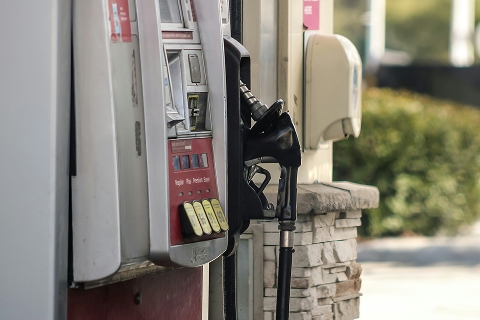
Want to use less gas without changing your entire routine? The most effective fuel-saving habits are simple: accelerate smoothly, maintain a steady speed, keep your tires properly inflated, avoid unnecessary idling, and stay current on maintenance. No single trick will transform your mileage overnight, but several small changes can add up across a week of commuting, errands, and weekend travel.
Driving in northern Utah also brings a few local considerations. Temperature swings can change tire pressure, winter conditions may increase idling and resistance, and trips between Bountiful, Salt Lake City, and Ogden can combine city traffic with faster highway driving. Use these practical tips to help improve your vehicle's fuel economy in a safe, realistic way.
- Accelerate and brake gradually.
- Follow posted speed limits and maintain a steady pace.
- Check tire pressure when the tires are cold.
- Combine errands and plan around heavy traffic.
- Remove unused cargo and exterior carriers.
- Follow the maintenance schedule for your specific vehicle.
1. Accelerate and Brake Smoothly
Rapid acceleration sends more fuel to the engine, while hard braking wastes much of the energy used to build speed. Look farther ahead, leave a comfortable following distance, and press the accelerator progressively. When traffic begins slowing, ease off the accelerator early instead of rushing toward the next stop and braking at the last moment.
This does not mean driving unusually slowly or coasting in a way that reduces control. The goal is simply to make your inputs smoother and reduce unnecessary changes in speed. According to the U.S. Department of Energy, aggressive driving can substantially reduce fuel economy, especially in stop-and-go traffic.
2. Maintain a Steady, Legal Speed
Fuel economy generally declines as highway speed rises because the engine must work harder to overcome aerodynamic drag. Follow the posted speed limit and settle into a consistent pace when conditions allow. On open, relatively flat sections of highway, cruise control may help prevent the small, repeated speed changes that use extra fuel.
Cruise control is not ideal for every situation. Turn it off in snow, ice, heavy rain, dense traffic, or other conditions that require frequent driver input. On steep or rolling roads, managing speed yourself may also prevent the transmission from repeatedly shifting to hold one exact setting.
3. Avoid Unnecessary Idling
An idling engine uses fuel while moving you zero miles. Avoid leaving the vehicle running for extended periods while parked, and complete tasks such as entering a destination or organizing belongings before starting the engine when practical. In cold weather, most modern vehicles do not need a lengthy stationary warmup. Start the vehicle, allow a brief moment for fluids to circulate and visibility systems to work, and then drive gently until the engine reaches its normal operating temperature.
Never shut the engine off while moving or while stopped in active traffic. Also allow automatic stop-start systems to operate as designed unless road or weather conditions make a different setting appropriate.
4. Combine Trips and Plan Your Route
Several short trips from a cold start can use more fuel than one longer, organized outing. When possible, group nearby errands into one loop and handle the farthest stop first so the vehicle has time to reach its normal operating temperature. Check traffic before leaving and choose a route that reduces extended backups, even if it is not the shortest route by distance.
Timing matters around the Wasatch Front. A small change in departure time may help you avoid the heaviest traffic on I-15, but do not replace a congested highway trip with a much longer route without comparing the tradeoff. The best route is usually the one that balances distance, travel time, and fewer stop-and-go sections.
5. Check Tire Pressure Monthly
Underinflated tires create additional rolling resistance and can also affect handling, braking, and tire wear. Check all four tires about once a month and before a long trip, preferably when the tires are cold. Utah's seasonal temperature changes make this especially important in fall and winter because tire pressure can drop as the air gets colder.
Inflate each tire to the pressure listed on the driver's doorjamb label or in the owner's manual. Do not use the maximum pressure molded into the tire sidewall as your target. If a tire repeatedly loses pressure, have it inspected rather than continuing to add air.
6. Remove Unnecessary Weight and Exterior Accessories
The more weight your vehicle carries, the more energy it takes to accelerate. Clear out heavy items that do not need to travel with you every day, while keeping essential emergency and safety equipment in the vehicle. This is particularly helpful for smaller vehicles, where added cargo represents a larger share of total vehicle weight.
Roof boxes, baskets, and bike racks can also increase aerodynamic drag, particularly at highway speeds. Remove exterior carriers when you are not using them. When practical, carrying equipment inside the cargo area or on a rear-mounted carrier may create less drag than placing it on the roof.
7. Use Climate Control Thoughtfully
Air conditioning, windshield defrosting, heated features, and other accessories require energy. Comfort and clear visibility come first, so use the systems you need. You can still reduce waste by avoiding extreme temperature settings, using recirculation once the cabin has cooled, and turning off heated seats or defrosters after they have done their job.
At lower speeds, opening a window may be an efficient way to cool the cabin. At highway speeds, however, open windows can increase aerodynamic drag, so air conditioning may be the more practical choice. Parking in the shade or using a windshield sunshade can also reduce the amount of work needed to cool a hot interior.
8. Follow Your Vehicle's Maintenance Schedule
Routine maintenance helps your vehicle operate as its manufacturer intended. Follow the schedule in your owner's manual for oil and filter changes, tire rotations, fluid checks, and other inspections. Use the recommended oil viscosity, and address a check-engine light or noticeable change in performance promptly. Problems involving sensors, ignition, emissions equipment, brakes, or wheel alignment can sometimes reduce efficiency as well as affect drivability.
Maintenance intervals vary by model, engine, mileage, and driving conditions, so avoid relying on one universal schedule. The Mazda-trained technicians at the Bountiful Mazda service center can review the requirements for your vehicle and inspect concerns such as uneven tire wear, pulling, or declining fuel economy.
9. Use the Recommended Fuel
Higher-octane fuel does not automatically deliver better gas mileage. Use the fuel grade specified in your owner's manual or on the fuel door label. Some engines are designed to run on regular fuel but may deliver their highest performance with premium, while other vehicles require a particular octane level. Following the manufacturer's guidance gives the engine the fuel it was calibrated to use.
Fuel-economy additives should not replace proper diagnosis or maintenance. If your mileage drops suddenly, consider changes in weather, traffic, trip length, tire pressure, cargo, or driving habits, then arrange an inspection if the decline continues.
10. Compare Efficient and Electrified Vehicles
If you are already considering a different vehicle, compare EPA fuel-economy estimates based on how you actually drive. A smaller gasoline model may suit a long highway commute, while a hybrid can be especially appealing for frequent city driving. A plug-in hybrid may reduce gasoline use when it can be charged regularly and its electric range matches many of your daily trips.
Mazda now offers several efficient choices, including the Mazda3, Mazda CX-50 Hybrid, and plug-in hybrid versions of the Mazda CX-70 and Mazda CX-90. You can compare current Mazda models at Bountiful Mazda and review the EPA estimate shown for each available configuration. Actual mileage will vary with trim, drivetrain, weather, traffic, load, and driving style.
Frequently Asked Questions About Saving Fuel
What is the quickest way to improve gas mileage?
Start by accelerating smoothly, reducing unnecessary high-speed driving, checking cold tire pressure, and removing unused exterior carriers. These changes require little time and address common sources of wasted fuel.
Does cruise control save gas?
Cruise control can help on open, flat highways by maintaining a consistent speed. It may be less efficient on steep or rolling terrain, and it should not be used when road, weather, or traffic conditions make steady manual control safer.
Does premium gas improve fuel economy?
Not necessarily. Premium fuel benefits engines designed or calibrated for higher octane, but it is not a universal mileage booster. Follow the fuel recommendation for your specific vehicle.
Why does fuel economy often decrease in winter?
Cold engines take longer to reach an efficient operating temperature, tire pressure may fall, winter roads can add resistance, and drivers tend to use defrosters and heated features more often. Short trips magnify many of these effects.
Keep Your Mazda Running Efficiently in Bountiful
Better fuel economy comes from consistent habits, not shortcuts. Drive smoothly, plan trips, monitor tire pressure, remove unnecessary drag, and follow the maintenance schedule written for your vehicle. If your Mazda is due for service or its mileage has changed without an obvious explanation, visit Bountiful Mazda at 2815 S. Main St. in Bountiful, Utah. Our team can help you care for your current vehicle or compare a newer Mazda that better fits your daily driving.
Image by Dawn McDonald | Licensed with Unsplash License