Leasing vs. Financing a New Mazda: Which Option Fits Your Lifestyle?
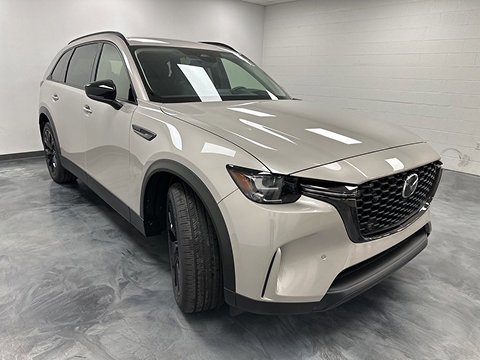
Deciding between leasing and financing a new Mazda is one of the biggest questions we hear from shoppers walking through our doors in Bountiful. Both paths get you behind the wheel of a Mazda, but they work very differently once you look past the monthly payment. If you're weighing leasing vs financing a new Mazda, the right answer depends less on which option wins on paper and more on how you drive, how long you keep vehicles, and what you want from ownership. You can also start your financing application online whenever you're ready to see real numbers based on your credit and the model you have in mind.
Leasing vs. Financing a New Mazda: Understanding Your Options
Financing means taking out a loan to buy the vehicle outright, with ownership transferring to you once the final payment clears. Leasing lets you drive a Mazda for a set term while making payments that cover the vehicle's projected depreciation rather than its full price. Both involve financing arranged through a lender, but the end result splits in two very different directions. One builds toward ownership. The other is basically an extended rental with lower payments and a return date at the end.
Choosing between leasing a car vs financing really comes down to what you value. Drivers who want long-term ownership and the freedom to customize their Mazda tend to lean toward financing. Those who like driving a new model every few years, with the latest safety tech and infotainment, often gravitate toward leasing.
Ownership and Equity: Who Actually Owns the Mazda
This is where financed, leased, or owned questions get answered fastest. When you finance, you build equity with every payment. Once the loan is paid off, that CX-5 or CX-50 is entirely yours to modify, drive without restriction, and insure however you'd like.
Leasing works differently. The leasing company, typically Mazda Financial Services, retains ownership throughout the term. You're essentially renting the vehicle. Unless you complete a lease buyout at the end, you walk away with no equity, no matter how many payments you've made. That's the tradeoff that makes lease payments lower in the first place, and it's worth understanding upfront before comparing a leased car vs a financed one side by side.
Monthly Payments, Down Payments, and Credit Approval
Financing vs leasing a car almost always comes down to payment structure first. Financing payments run higher because you're paying off the full vehicle price over time. Lease payments are typically lower since they're calculated against depreciation instead of the sticker price, which can let you access a higher trim level, say a CX-50 instead of a CX-30, for a similar monthly cost.
Down payments vary too. Financing often benefits from a larger down payment to reduce your monthly obligation, while leasing sometimes allows for a lower or even no down payment. That said, lease signing often involves meaningful upfront costs once you factor in fees like the acquisition fee, so it's not always the cash-light option it appears to be at first glance.
Credit approval also plays differently across leasing and financing. Financing can require a stronger credit profile to land favorable APR terms, while leasing sometimes offers more flexibility. Either way, our finance center works with Mazda Financial Services to structure either path around your credit situation and current offers, so it's worth having that conversation before assuming one option is out of reach.
Mileage Limits and Customization Freedom
How much you drive, and whether you want to personalize your Mazda, matters just as much as payment structure when comparing leasing and financing.
Lease Mileage Caps and Wear-and-Tear Guidelines
Mazda lease terms typically include an annual mileage allowance of 15,000 miles under the standard lease program, though low-mileage lease options are available at 10,000 or 12,000 miles per year for drivers who want a lower monthly payment. Lease terms themselves usually run 24 to 36 months. Go over your limit and you'll face a per-mile fee for the excess. Lease contracts also include wear-and-use guidelines. Tears or burns on upholstery, missing equipment, and large dents or scratches beyond normal wear can trigger charges when you return the vehicle.
If you're commuting daily across Davis County, Salt Lake County, or Weber County, those mileage caps deserve real attention before you sign.
Financing's Unlimited Mileage and Personalization
Financing removes mileage restrictions entirely. Drive as much as your commute or road trips demand without worrying about penalties. You're also free to fully personalize the vehicle with aftermarket accessories or performance upgrades, since it's yours once it's paid off.
If you're still deciding, it helps to get behind the wheel first. You can schedule a test drive at our Bountiful showroom and get a feel for how a CX-5 or CX-90 fits your daily routine before locking in either a lease or a finance contract.
Maintenance Expectations for Lease and Loan Drivers
Mazda's New-Vehicle Limited Warranty covers 36 months or 36,000 miles, while the Powertrain Limited Warranty extends to 60 months or 60,000 miles. Because most lease terms fall within that 36-month window, lease drivers often stay covered under warranty for the entire time they have the car, which keeps unexpected repair costs low.
Financed vehicles eventually age out of warranty coverage, putting future maintenance costs on the owner. That's where our service perks come in handy. Oil for Life and Tires for Life help offset those long-term costs, and our team handles everything from brake replacement to AC and battery service using OEM parts backed by warranty coverage.
Trade-In Value, Lease-End Responsibilities, and Long-Term Costs
Whether you've leased or financed, there comes a point where you'll decide what's next. The process looks different depending on which path you chose.
What Happens When Your Lease Ends
As your lease term winds down, you'll typically have three choices: return the vehicle, buy it out, or move into a lease or finance agreement on a new Mazda. Mazda usually reaches out about three months before the term ends, and starting that conversation early gives you more time to weigh your options.
If you're considering a buyout, the buyout price is set as the residual value determined when you signed the lease. That means buying out can actually save money if your Mazda's current market value has ended up higher than that residual figure. Consumer Reports notes that two back-to-back three-year leases typically cost more over time than financing and owning the same vehicle. Financing at least leaves you with an asset at the end; leasing doesn't.
Returning a leased vehicle involves an inspection, and any excess mileage or wear-and-tear issues can result in additional fees, sometimes including a disposition fee that's occasionally waived depending on the agreement.
Trading In or Paying Off a Financed Mazda
Financed vehicles give you more flexibility at the end of the road. You can trade in your Mazda and apply its value toward a new purchase, or pay off the remaining loan balance and keep driving it mileage-free. Our trade-in tool generates a Kelley Blue Book Trade-In Value report, which gives you a clear, research-backed number to work from before deciding whether to trade, sell, or keep your vehicle.
Understanding your remaining loan balance alongside your Mazda's current market value is the key to making a confident call here, whether that means rolling equity into a CX-90 or simply paying things off free and clear.
Which Option Fits Your Driving Habits and Lifestyle?
There's no universal right answer to leasing and financing. It's really about matching the option to how you live. Consumer Reports notes that the longer you plan to keep a vehicle, the more financing tends to work in your favor financially. Long-distance commuters across Salt Lake County or Weber County may find lease mileage caps restrictive, while work-from-home drivers might barely use their full allowance, making a lease's lower payment an easy win.
Families who need space and long-term reliability, especially those eyeing a CX-5, CX-50, or CX-90 for the years ahead, often find financing lines up better with their plans. Commuters who want predictable payments and the newest safety technology every few years tend to prefer leasing instead. Either way, both paths run through the same trusted lender network, since Mazda Financial Services structures both leases and finance agreements.
| Feature | Leasing | Financing |
|---|---|---|
| Monthly Payment Range | Typically lower | Typically higher |
| Ownership/Equity | No equity, renting the vehicle | Builds equity toward full ownership |
| Mileage Limits | 15,000 miles/year standard; 10,000 or 12,000 miles/year for low-mileage lease options | Unlimited |
| Upgrade Frequency | Every 2-3 years | Less frequent, owner's choice |
| Customization Freedom | Limited by lease agreement | Full personalization once financed |
| End-of-Term Options | Return, buy out, or start new lease | Trade in, sell, or pay off and keep |
Compare Your Mazda Lease and Finance Options at Bountiful Mazda
We built our reputation as a family-owned dealership on being upfront about both leasing and financing, without steering anyone toward one option for our benefit. Our finance center works directly with you and Mazda Financial Services to lay out real terms based on your credit and the model you want, whether that's a compact sedan for weekend drives or a CX-90 for the whole family. All figures depend on your credit approval and current offers, so nothing here should be treated as a guaranteed rate or payment. That's exactly why we recommend confirming exact numbers with our team.
Ready to Talk Through Your Options?
If you're ready to compare leasing vs financing a new Mazda side by side, reach out to our team and we'll walk you through personalized options built around how you actually drive.